In my research and in my writing, there is something I have gradually come to realize that we do a great disservice and an undermining of the complexity that is the Cameroonian experience when we simply frame Cameroon as “linguistically divided”; with that description, people often think that the division is simply about language, that when you cross from one region into another you are merely encountering the necessity of speaking a different language. But it isn’t only that; when one crosses from one linguistic space to another, it isn’t only language or even culture that change; one often encounters a different way of life, different conversations, and different realities altogether.
Even commerce changes. Spend enough time moving around Cameroon, and you begin to notice that what people buy and even what is available in the markets differ from region to region. Merchants in the Anglophone regions have historically looked westwards. Goods often arrive from neighbouring Nigeria or through Cameroon’s diaspora community members shipping items from the UK, Germany, the United States and elsewhere. As a result, there are products that are commonplace in Bamenda, Buea or Kumba that you might struggle to find in Yaoundé or Bertoua. On the other hand, many Francophone merchants have traditionally sourced goods through commercial networks linked to Douala, France, Côte d’Ivoire and other Francophone countries. You therefore find brands, fashions, food items and consumer habits that feel completely familiar on one side of the country and almost foreign on the other. It is one of those quiet reminders that Cameroon is not simply divided by language; our networks have evolved in different directions as well.
Similarly, our entertainment and social interests demonstrate the divide. Francophone Cameroon on Twitter is often completely different from Anglophone Cameroon on Twitter. The stories that are trending, the issues people are debating, and the ‘influencers’ who wield public attention are not the same. It is almost as though we inhabit parallel public spheres that occasionally intersect but often continue quite independently of one another.
I have found the same thing in my work on women’s issues and the feminist movement in Cameroon. One of the things that has struck me repeatedly is that what has concerned feminist organisations in the Anglophone regions has not necessarily been what concerns feminist organisations in Francophone Cameroon. And even within Francophone Cameroon, if you move further north, you discover yet another reality. The issues occupying women’s organisations in the Far North are often quite different from those occupying organisations in the South.
To me, this is one of the most intriguing things my research and practice have revealed over the years, and I’d argue, one of Cameroonian civil society’s greatest weaknesses. Any movement that is divided, whatever the basis of that division, inevitably weakens itself. We cannot really speak of a national movement if we each respond only to the concerns within our own linguistic, regional, or cultural spaces. I have been thinking about this a great deal in phases of sorts over the past years for different reasons.
The first time I thought of this was following a personal evaluation.
A few years ago, as I reflected on my years leading Better Breed Cameroon before moving to serve only on its Board, I found myself asking what I had done well, where I had succeeded, and where I had failed. One of the first shortcomings I identified was that I had not engaged Francophone Cameroon nearly enough. Looking back, I suspect that part of the reason was that I come from one of the country’s marginalised communities myself. My instinct was naturally to focus my energy there because there seemed to be more than enough work to do among people marginalised than the majority the system comparatively privileged.
But I realise now that this was a strategic mistake. No matter how justified the reason may be, you cannot simply disconnect social change work from almost three-fifths of the country. If we are serious about creating systemic change, then we cannot afford to remain within our own regional conversations. That was one of the lessons I took away from that period of reflection, and it is one of the reasons I have become much more intentional about engaging Francophone Cameroon in recent years.
The second phase of this reflection was first sown in my mind far earlier, during one of the very first consultancies I ever did. In 2021, I worked with Global Fund for Women on research exploring youth movements in Cameroon and the priorities of youth-led organisations across the country.
What fascinated me was how different those priorities were depending on where the organisations were based. Many of the organisations in the South were prioritising peacebuilding, employment, entrepreneurship and economic opportunity. Organisations in the Far North, however, kept returning to something that, at first, I simply could not understand. Birth certificates.
I remember wondering why obtaining a birth certificate had become the focus of entire initiatives. Surely this was something that happened automatically. Surely everyone had one. It was only as I continued researching that I began to understand: If you do not have a birth certificate, there is no official proof of your age. If there is no official proof of your age, then how do you establish that you were a minor when you were married off? If the law prohibits child marriage, to which court do you take a child who has no documentation proving that she was, in fact, a child? How do you prove that a crime has taken place when the very evidence required to establish it does not exist?
The more I thought about it, the more I realised that a birth certificate is not just a birth certificate. Without one, obtaining a national identity card becomes almost impossible. Without a national identity card, you are technically in violation of the law because Cameroonian adults are required to carry identification. And anyone who has lived in Cameroon knows how often police officers use identity checks as opportunities for extortion. It slowly dawned on me that what had initially seemed like a simple administrative issue was actually connected to legal identity, citizenship, justice, protection and access to rights. It was an issue that shaped so many other issues.
What struck me even more was how unfamiliar this reality was to many of us elsewhere in the country. You see the ownership of an ID card is not so much a priority in many parts of the Centre region where there is little policing, as compared to the Anglophone regions where you can find roughly six police checkpoints on the 1h30 mins drive from Douala to Buea… Yet even where organisations in the Southwest would decry the arbitrary arrests and the over-policing that came with the Anglophone Crisis, they were not talking about birth certificates because, for most of us, it was simply not something we had ever had to think about. Yet if we truly functioned as one national movement, perhaps it would have become obvious how linked these were. Perhaps we could see these as everybody’s concern rather than remaining the concern of one region.
That, to me, is one of the greatest costs of living in parallel Cameroons.
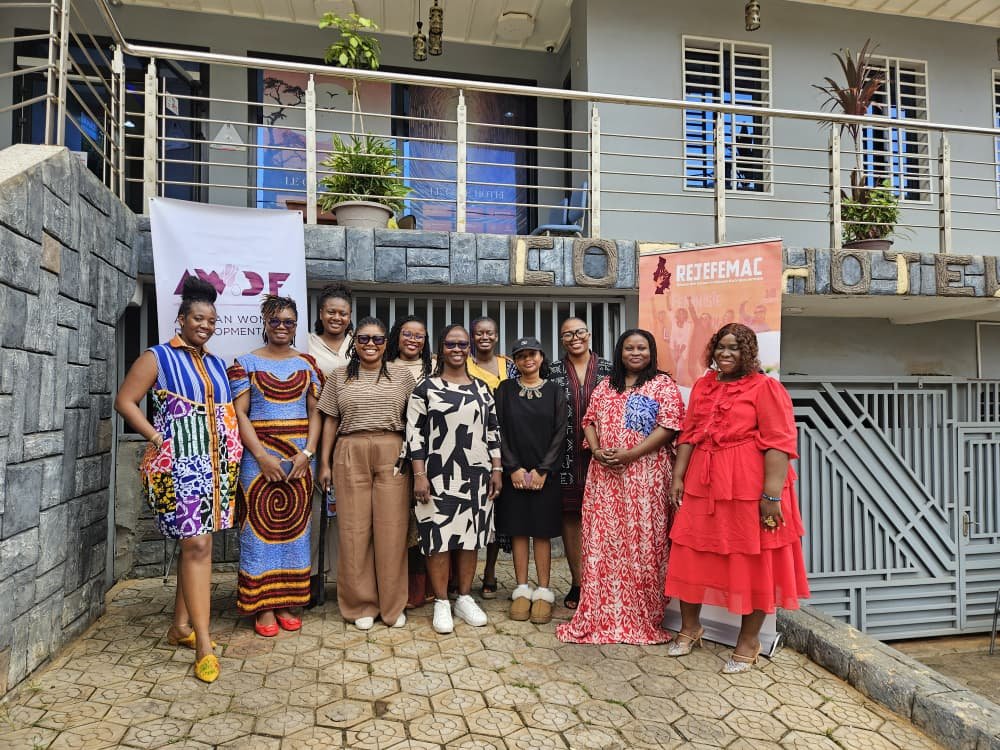
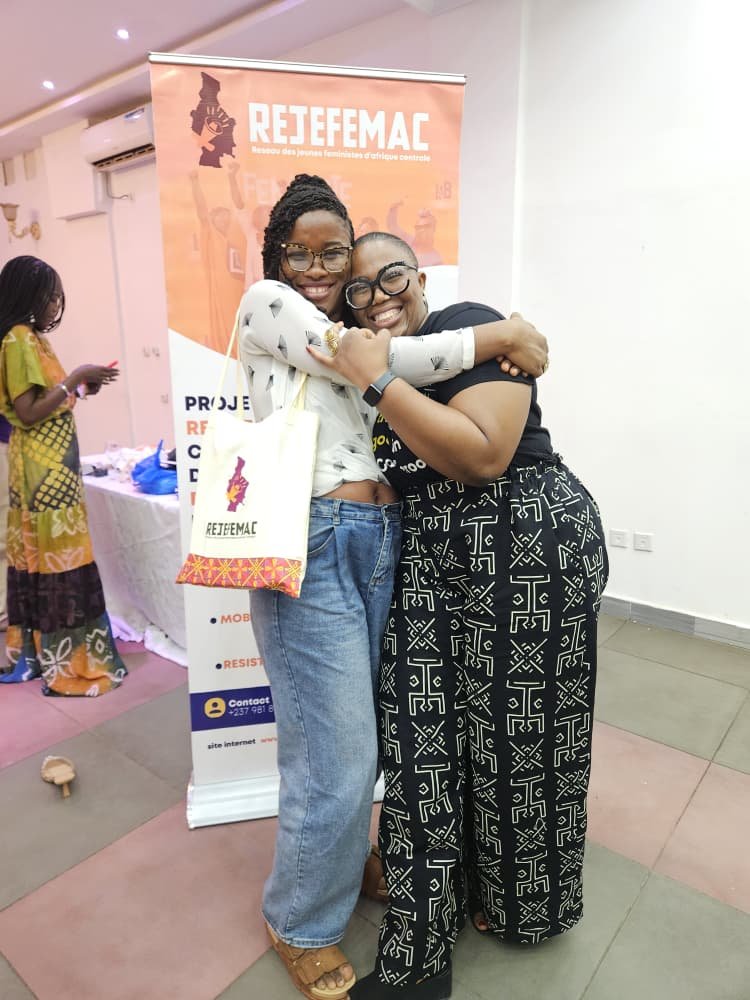
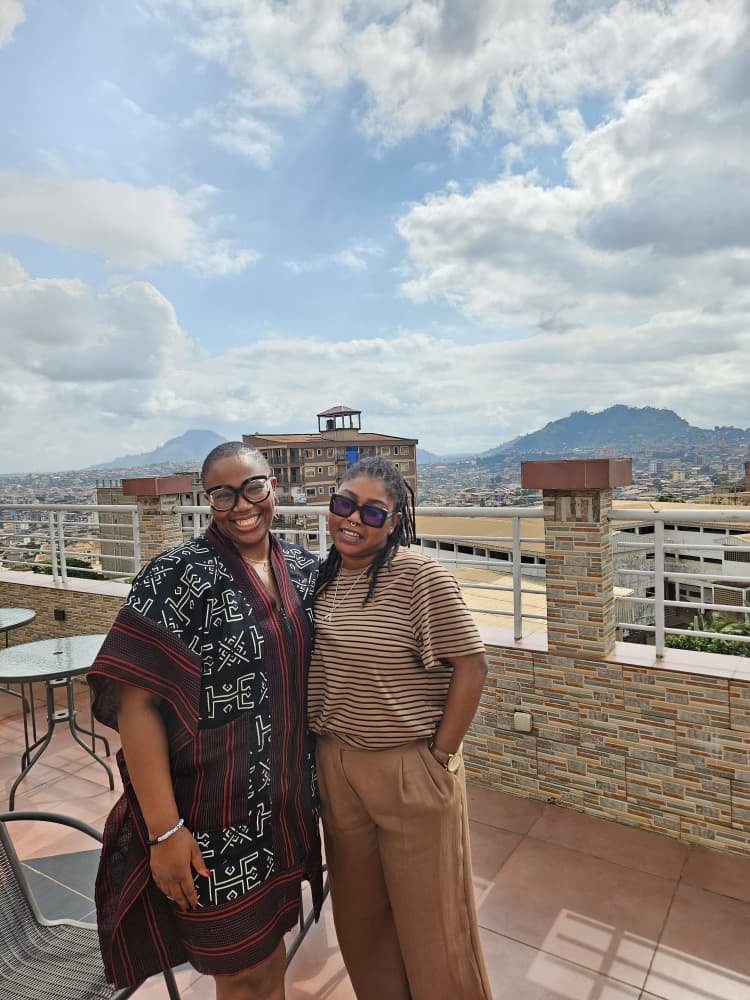
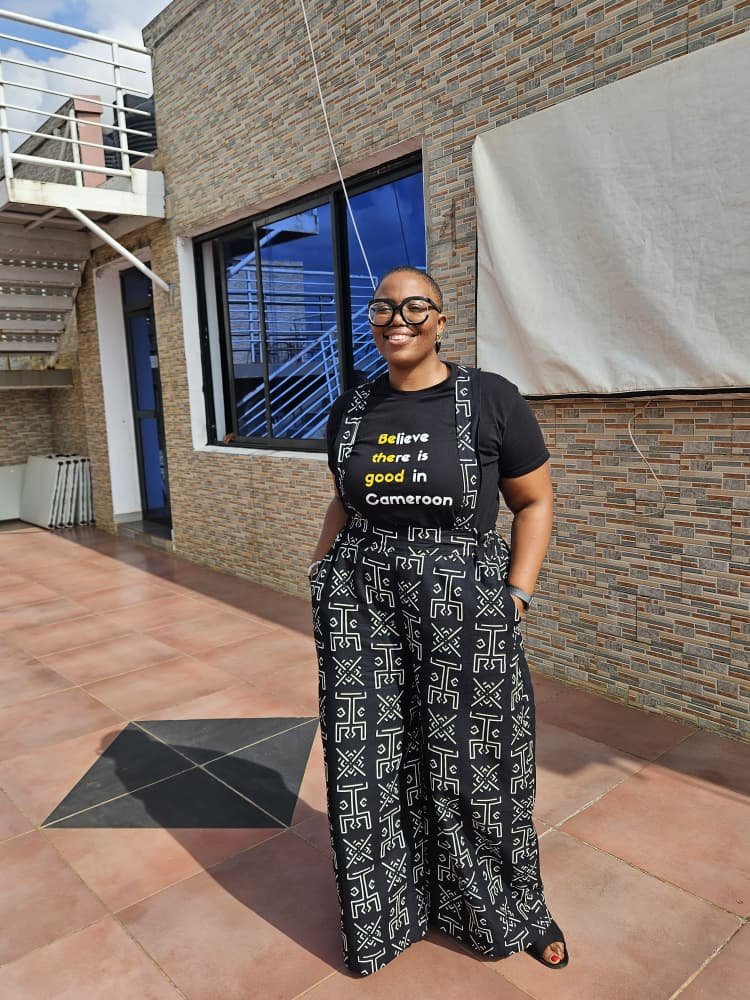
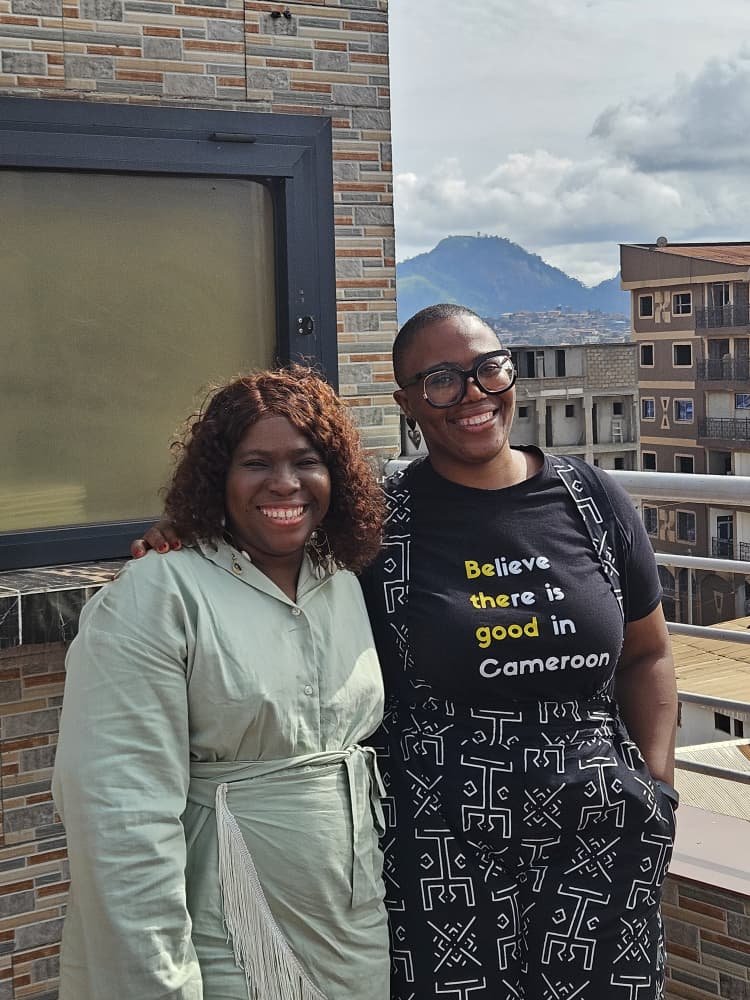
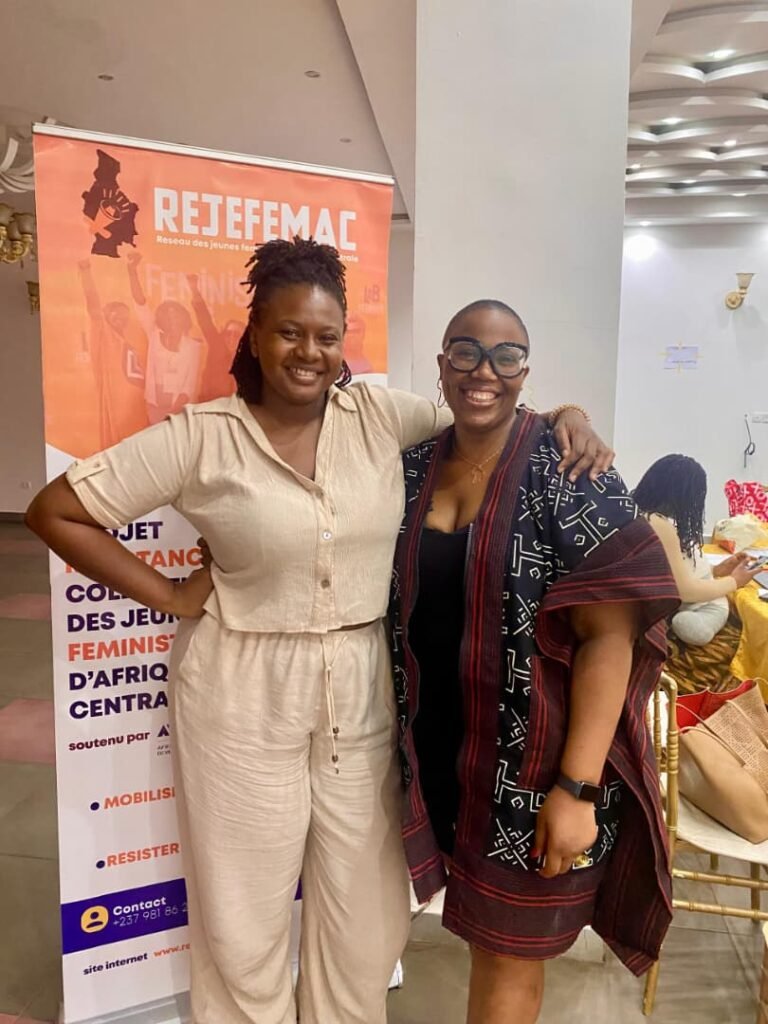
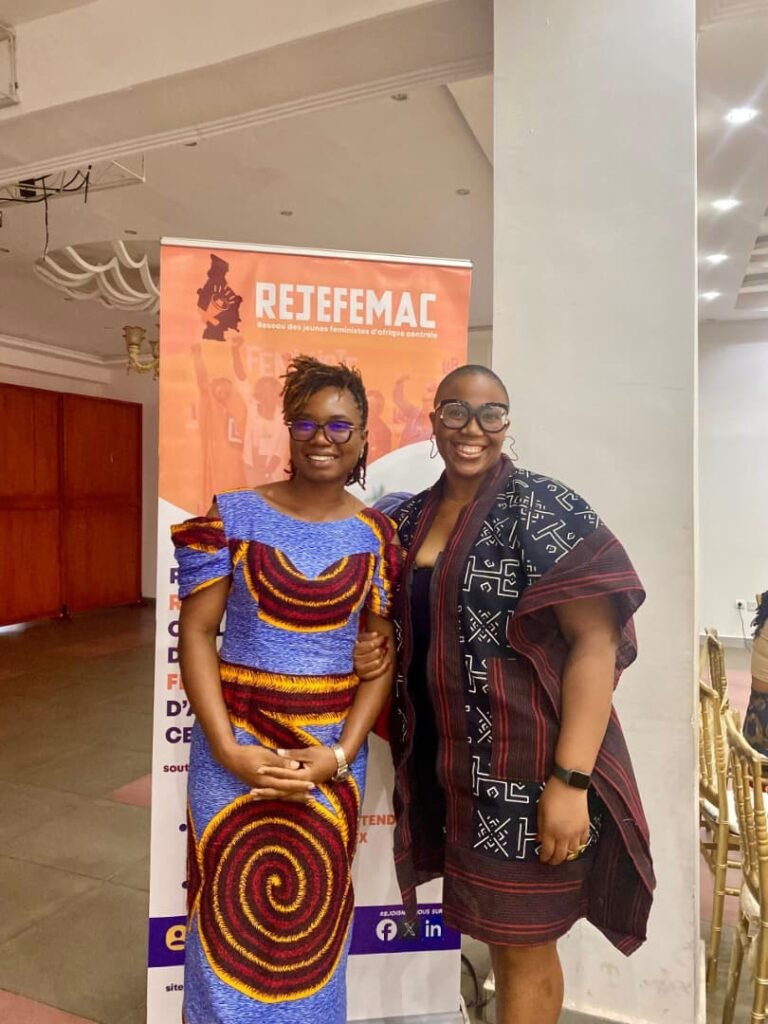
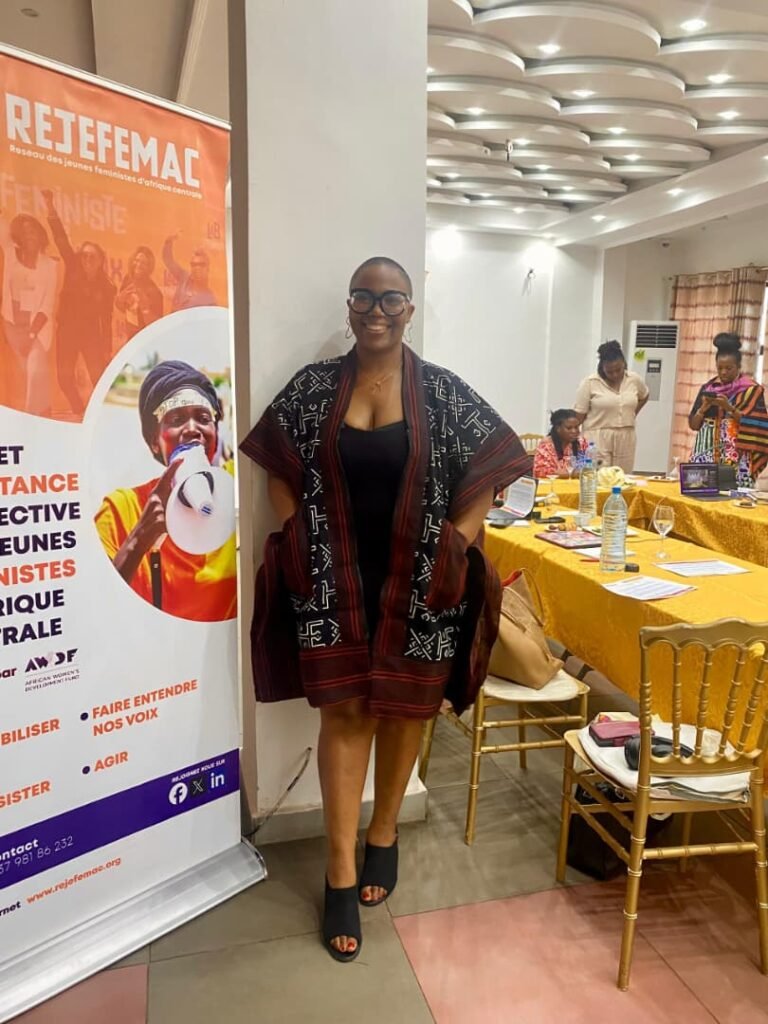
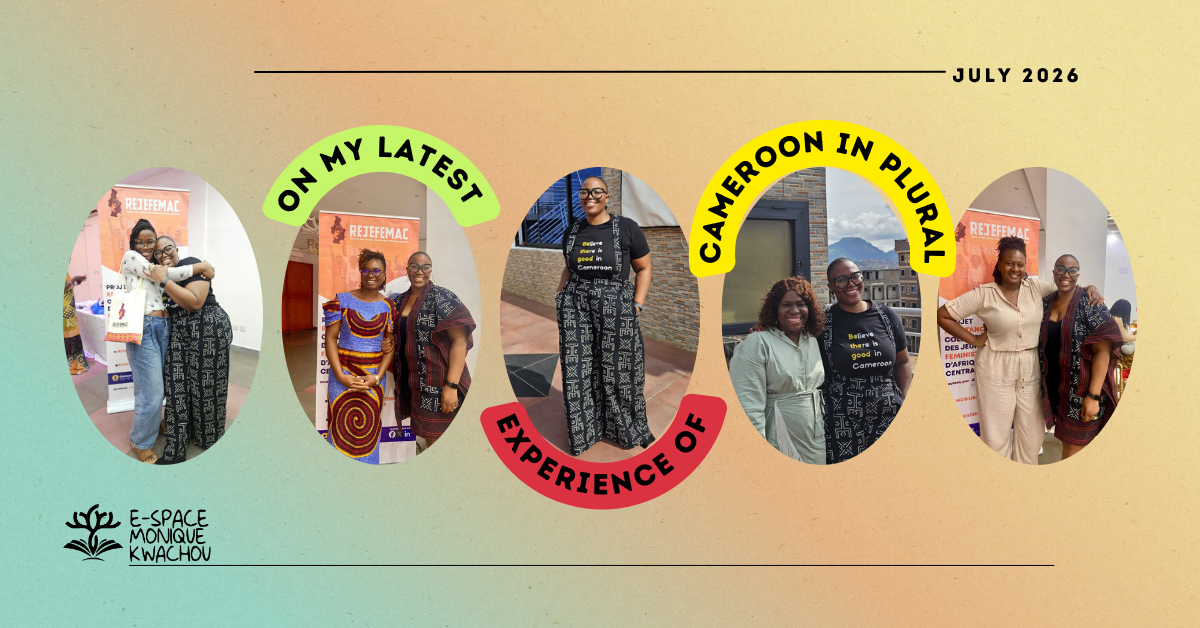
See gallery of photos with various members of
And that brings me to the most recent experience of Cameroon in Plural; for the first time, I found myself in what was overwhelmingly a Francophone feminist space. I had been invited by the Réseau des Jeunes Féministes de l’Afrique Centrale (REJEFEMAC) to participate in one of their strategic planning workshops. Everything was conducted in French. I was the only person who would identify as an Anglophone in the room.
I came away from that experience deeply grateful. Those who were fully bilingual made a genuine effort to include me. They translated when I struggled. I spoke French where I could, stumbled where I had to, and everyone met me with patience rather than impatience. It reminded me that inclusion is often something very practical. It is people deciding that everyone deserves to participate, even when participation requires a little more effort.
And yet, the experience also left me thinking about these invisible borders within Cameroon and our movements. Historically, Cameroon at one point belonged to West Africa; culturally, the Anglophone part of Cameroon still identifies with that regional bloc despite the fact that the whole country is now categorised as a Central African nation; hence, it was unsurprising that few Anglophone Cameroon feminist organisations were in that space that held feminists from Congo, Chad, Burundi, etc. This understanding aside, it remains an issue to be addressed.
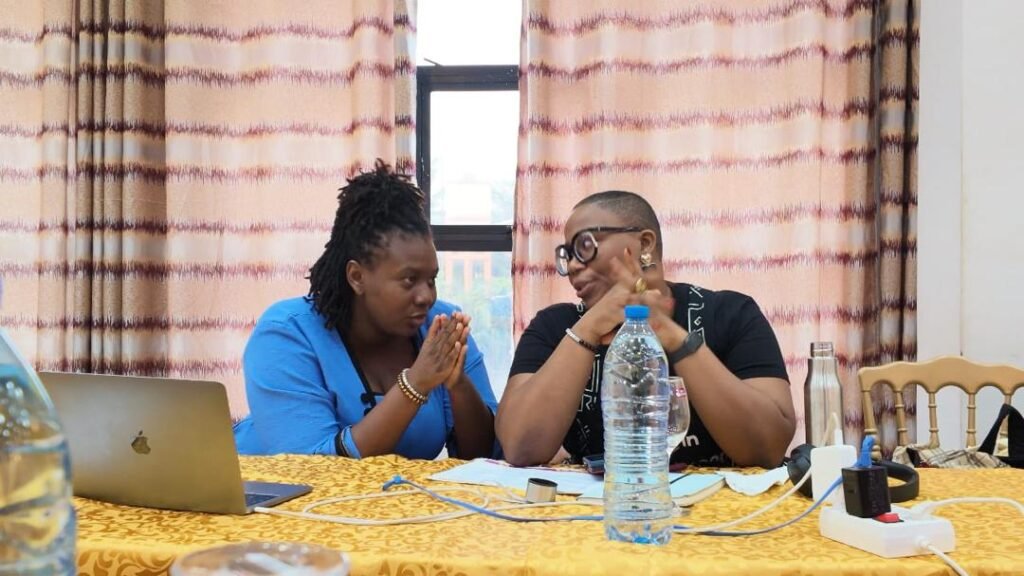
If we persist in operating in silos, along linguistic divides, focusing on regional concerns and failing to mix, our movement’s fault lines shall only deepen. My latest experience demonstrated that crossing the divides is not necessarily a grand political project. It just requires someone willing to engage awkwardly, imperfectly, in broken French or English, and another willing to patiently listen and try to understand. It requires the average Cameroonian to strive for more than bilingualism, to develop bi-cultural curiosity and be curious about realities beyond our own tribe, linguistic group, class, gender, etc. It requires us to set aside our own conversations long enough to listen to those happening elsewhere in the country.
This is what stayed with me afterwards, more than the content of the workshop itself: the lesson on the necessity of making an effort to engage, because bridges do not build themselves. Someone has to decide that the effort of inclusivity is not only an obligation but mutually worthwhile. Someone has to slow down enough to translate and whisper (see the president of REJEFEMAC whispering translations to me in the photo above). Someone has to risk speaking imperfectly (watch the video embedded further down). Someone has to listen long enough to realise that what seems like a local issue may actually reveal something about the country as a whole.
Until we become genuinely interested in understanding one another’s Cameroons, I suspect we will continue to attempt to solve our interconnected problems region by region, movement by movement, one closed-room conversation after another, failing to recognise how many of them are, in fact, fused at the root.
Let me know your thoughts in the comments. How have you experienced Cameroon in plural?